Agentic field operations for robots and autonomous machines
Understand what’s happening with your fleet, diagnose failures, fix machines remotely and then send technicians in with the right context, procedure, parts and next steps.
The industry is racing to build more capableautonomous machines. It is happening.The machines are already in the field.
The Thesis
The Thesis
The industry is racing
to build more capable
autonomous machines.
The machines are
already in the field.
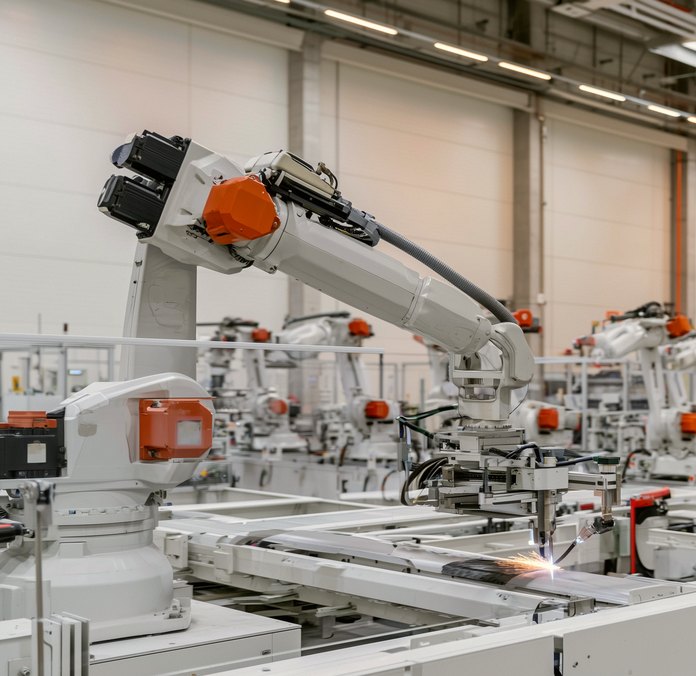
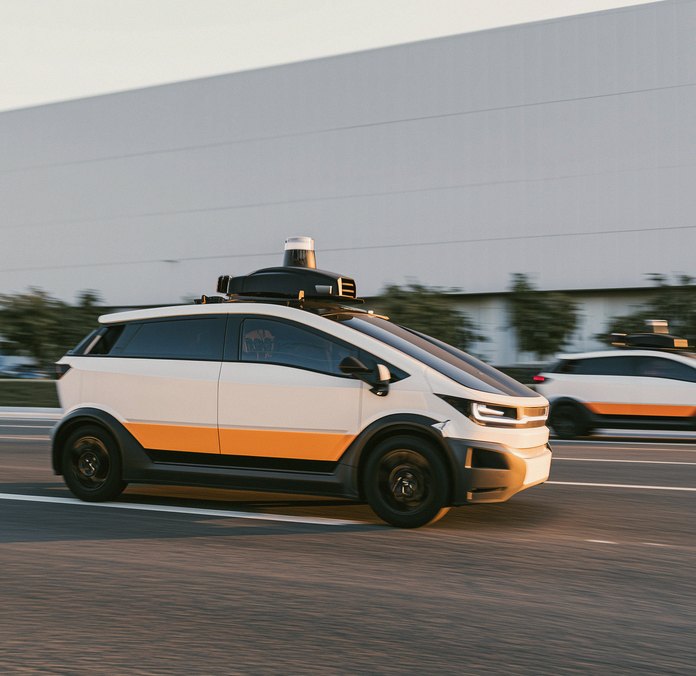
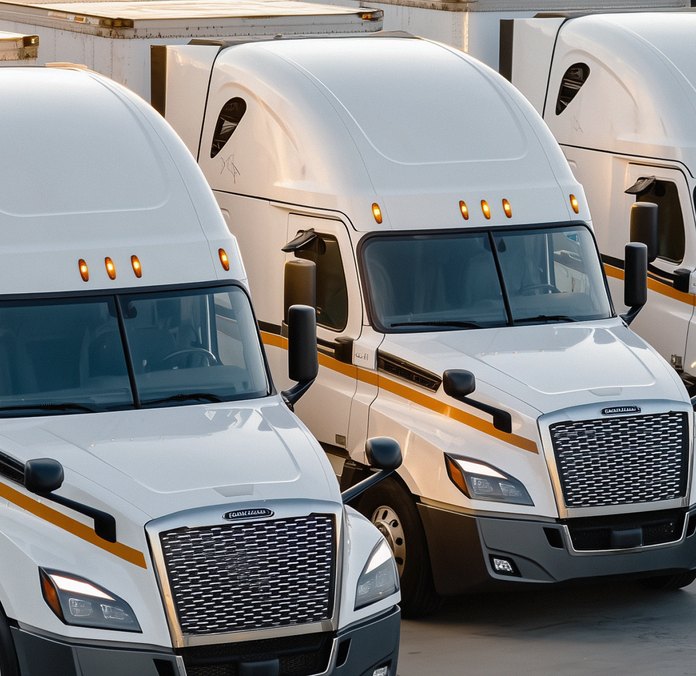
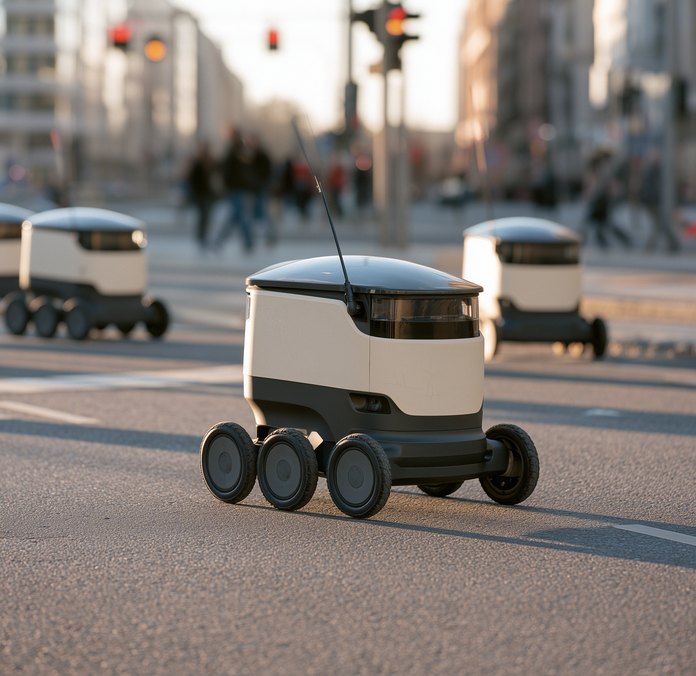
Manufacturing Urban mobility Long-haul freight Last-mile delivery Warehousing
The real challenge
begins when
10 machines become
100, and then 1,000.
The real challenge begins when 10 machines become 100, and then 1,000.
Act 003: making expertise compound

Scale changes the problem. Failures multiply, service gets harder. And downtime limits how fast we deploy. But human expertise does not scale. And standard software cannot solve it. No two fleets are alike.
Motherboard Labs adapts to eachoperation - your telemetry,knowledge, and stack. Diagnosishappens before dispatch. Every fixspeeds the next. People only step in where work is physical.
So the fleet scales.
The team does not have to.
— Motherboard Labs